
Heavy machinery and industrial equipment are constantly exposed to harsh conditions. From mining and construction sites to manufacturing floors, components endure relentless wear and tear. Left unchecked, this deterioration can shorten the lifespan of equipment and lead to costly downtime.
That’s where hard facing comes into play, a scientific process designed to extend the working life of critical parts. Let’s explore the principles behind hard facing, the materials and methods used, and why it’s essential for keeping equipment reliable for the long haul.
What Is Hard Facing?
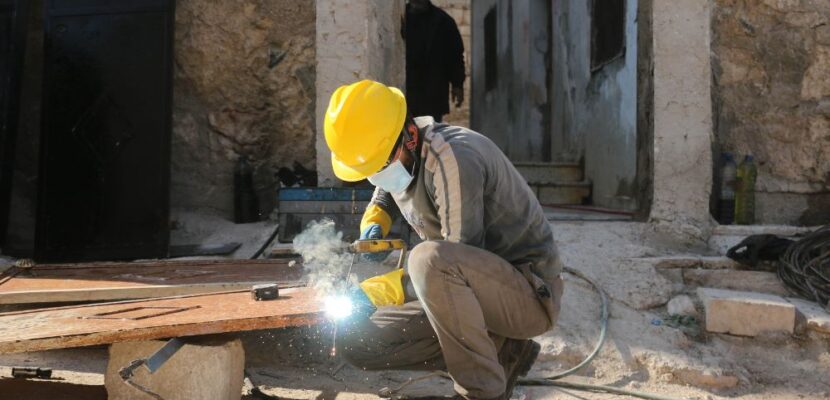
Hard facing is a specialised welding process that applies a layer of wear-resistant material onto the surface of a base metal. This coating is engineered to withstand abrasion, impact, corrosion, or heat, depending on the operating environment.
Instead of constantly replacing worn-out parts, industries use hard facing to reinforce equipment components, ensuring they last significantly longer.
The Science Behind Hard Facing
1. Metallurgical Bonding
Hard facing isn’t just about layering one material on top of another; it relies on metallurgical bonding. When applied correctly, the deposited material fuses with the base metal, creating a strong, durable connection that resists peeling or cracking under stress.
2. Material Properties
The success of hard facing depends on choosing the right filler material. Common hard-facing alloys include:
- Chromium carbide – known for exceptional abrasion resistance.
- Tungsten carbide – extremely hard, ideal for heavy-duty environments.
- Nickel-based alloys – excellent for corrosion resistance.
These alloys are engineered at the molecular level to resist the types of wear most common in the equipment’s operating environment.
3. Wear Mechanisms Addressed
Hard facing counters several types of mechanical wear:
- Abrasive wear – caused by friction with hard particles like sand or ore.
- Impact wear – from repetitive striking or heavy loads.
- Corrosive wear – due to exposure to chemicals, moisture, or extreme heat.
By targeting these mechanisms, the science of hard facing directly improves a machine’s resilience.
Methods of Hard Facing
There isn’t a one-size-fits-all method for applying hard-facing layers. The choice depends on the component, wear type, and required finish.
Common Techniques
- Shielded Metal Arc Welding (SMAW) – Cost-effective and versatile, ideal for on-site applications.
- Gas Metal Arc Welding (GMAW/MIG) – Provides smoother coatings with higher deposition rates.
- Plasma Transferred Arc Welding (PTA) – Offers precision and uniformity, perfect for critical parts.
- Laser Cladding – A high-tech method that minimises dilution and heat distortion.
Choosing the Right Method
- For small repairs, SMAW or GMAW may be sufficient.
- For high-value components, PTA or laser cladding is often recommended.
Industries That Rely on Hard Facing
Hard facing plays a crucial role across multiple industries, particularly where equipment is under constant stress:
- Mining – Protecting crusher hammers, conveyor screws, and earthmoving buckets.
- Construction – Reinforcing bulldozer blades, grader edges, and excavator teeth.
- Agriculture – Extending the life of ploughshares, cultivator tines, and augers.
- Manufacturing – Preserving rollers, dies, and mixing blades.
By incorporating hard facing into regular maintenance cycles, these industries significantly cut
down on replacement costs and unexpected breakdowns.
Benefits of Hard Facing for Equipment Longevity
1. Extended Service Life
The most obvious advantage is longevity. A well-hardened component can last up to three to five times longer than an untreated one.
2. Cost Savings
- Fewer replacements mean reduced part costs.
- Lower downtime keeps projects on schedule.
- Less labour is required for frequent repairs.
3. Improved Productivity
Machines that run more efficiently and for longer periods directly contribute to higher output and reliability on-site.
4. Sustainability
By reducing the need for constant replacement parts, hard facing also lowers material waste, supporting more sustainable operations.
The Role of Maintenance and Repair
While hard facing is highly effective, it’s most beneficial when combined with regular maintenance. Timely inspections can identify worn areas before they fail completely. Applying hard facing repair services during these checks not only restores functionality but also prevents minor wear from escalating into costly breakdowns.
Future Trends in Hard Facing Technology
Like most industrial processes, hard facing continues to evolve. Some trends shaping its future include:
- Automation – Robotic welding systems are improving consistency and reducing human error.
- Advanced alloys – Development of new composites with higher wear resistance.
- Environmentally friendly solutions – Reducing emissions and waste during the welding process.
These innovations will make hard facing even more efficient and accessible in the years ahead.
Conclusion
Hard facing is more than just a repair technique; it’s a science-driven process that enhances equipment longevity, boosts efficiency, and saves industries significant costs. By reinforcing high-wear components with specialised alloys and advanced welding methods, businesses can maximise the life of their assets and minimise downtime.
When combined with regular maintenance and timely hard-facing repair services, the benefits are undeniable. It’s no wonder that industries across Australia continue to adopt this approach as a key part of their asset management strategy.
For organisations seeking proven expertise in this field, B & R Australia Pty Ltd stands as a trusted name in delivering effective solutions for equipment longevity.