
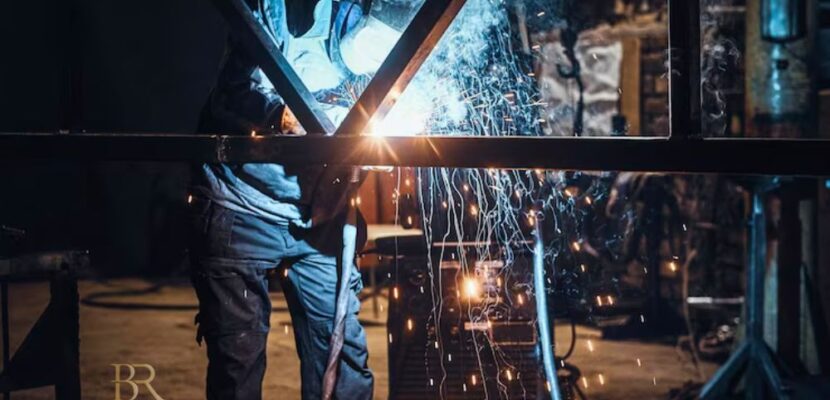
In the construction industry, the strength and safety of any structure depend heavily on the quality of its connections. Among the various joining methods available, structural welding stands out as a fundamental process that ensures the integrity, durability, and longevity of buildings, bridges, industrial plants, and other critical infrastructure. At B & R Australia Pty Ltd, we recognise the vital role that expert structural welding plays in delivering safe and robust constructions across Australia. You can also explore our Metal Fabrication services for project-specific support.
What is Structural Welding?
Structural welding is a specialised form of welding used to join metal components that bear loads and stresses within a structure. Unlike non-structural welds, these joints must meet strict strength and durability standards. Services like Structural Steel Welding are specifically designed to handle such high-load applications.
This welding process involves fusing metals such as steel, stainless steel, aluminium, and specialised alloys to create seamless joints capable of withstanding heavy loads and harsh conditions.
The Importance of Structural Welding in Construction
1. Ensures Structural Integrity and Strength
Structural welds form the core connections that hold a framework together. These joints must handle static loads like the weight of the structure, as well as dynamic forces such as wind pressure, vibrations, and movement. High-quality welding ensures that stress is evenly distributed across all connection points, reducing the chances of weak spots, cracks, or sudden structural failure over time.
2. Provides Stability and Rigidity
A structure is only as stable as its connections. Welding locks beams, columns, and steel members into a fixed position, maintaining alignment and preventing unwanted shifting. This rigidity is especially important in multi-storey buildings and industrial frameworks, where even slight movement can affect safety, performance, and long-term durability.
3. Resistance to Environmental and Operational Stress
Construction materials are constantly exposed to external factors such as heat, cold, moisture, and corrosion. In industrial environments, additional stress comes from heavy machinery, impact loads, and continuous operation. Proper structural welding creates joints that can withstand these harsh conditions without weakening, ensuring reliable performance across different environments.
4. Enables Complex and Innovative Designs
Modern architecture often pushes the limits of design, requiring unique shapes, curved structures, and complex frameworks. Welding allows engineers to join metals in ways that bolts or fasteners cannot, making it possible to achieve both strength and design flexibility. This opens the door to innovative construction while maintaining safety standards.
5. Enhances Safety and Compliance
Structural welding must meet strict safety and regulatory standards to ensure public and workplace safety. Properly executed welds reduce the risk of collapse, equipment failure, or structural damage. Following certified procedures and inspections ensures compliance with Australian codes, giving clients confidence that the structure is safe, reliable, and built to last.
Critical Factors in Structural Welding
Qualified and Certified Welders
Structural welding is not a basic task—it requires trained professionals with certification and hands-on experience. Skilled welders understand metal behaviour, heat control, and welding positions, which helps them produce consistent, defect-free joints that meet engineering and safety requirements.
Appropriate Welding Techniques and Procedures
Every project demands the right welding method based on material type, thickness, and load conditions. From heavy structural steel to lightweight metals, the correct technique ensures strong bonding and long-term performance. For specific applications like lightweight structures or corrosion-resistant components, services such as Aluminium Fabrication are widely used.
Inspection and Quality Control
Weld quality cannot be left to assumption. Regular inspections during and after welding help identify defects like cracks, porosity, or incomplete fusion. Advanced testing methods ensure that each weld meets required standards, reducing the risk of failure and ensuring long-term structural reliability.
Use of High-Quality Materials
The strength of a weld depends not only on technique but also on the quality of materials used. Certified base metals and filler materials improve compatibility, corrosion resistance, and durability. Using the right materials ensures that the weld performs consistently under load and environmental stress.
B & R Australia Pty Ltd: Your Structural Welding Experts
At B & R Australia Pty Ltd, we bring extensive experience and technical expertise to every project, including ongoing support through Fixed Plant services.
- On-site structural welding for construction and repairs
- Specialised welding solutions for multiple materials
- Comprehensive maintenance and shutdown support
- Strict compliance with Australian safety standards
- Flexible workforce for quick project execution
Why Choose B & R Australia for Structural Welding?
- Certified and experienced welders
- High-quality workmanship
- Reliable and timely execution
- Strong focus on safety and compliance
- End-to-end welding and fabrication solutions
Conclusion
Structural welding is essential for building safe and durable infrastructure. With the right expertise and approach, it ensures long-term performance and reliability. Partnering with B & R Australia Pty Ltd means your project is handled with precision, professionalism, and proven industry experience.