
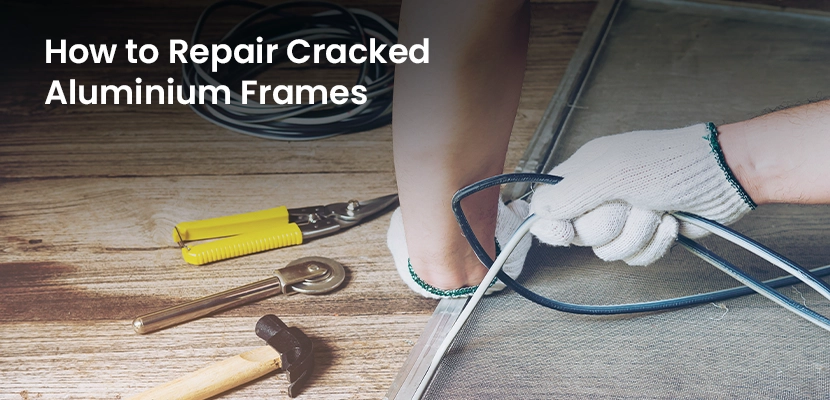
Aluminum frames are commonly used in windows, doors, machinery, trailers and industrial equipment. They are lightweight and corrosion resistant but can crack over years of pressure, vibration or accidental damage. Though the crack may appear small and harmless at first glance, it can increase in size as the frame is loaded or moves back and forth.
When you know how to repair cracked aluminum frames you also understand the damage and what method of repair you should use. Some frames need a minor repair, while others require professional welding or complete replacement.
How to Repair Cracked Aluminium Frames Without Causing Further Damage
Repairing aluminium takes more care than repairing ordinary steel. Aluminium conducts heat quickly, and excessive welding heat can weaken certain alloys or change the frame’s shape.
Before starting, check the crack’s position, the thickness of the metal and the weight the frame supports. A cracked window frame needs a different approach from a damaged machine frame.
1. Check the Crack Before Starting
Look closely at the damaged section. Check whether the crack runs along a welded joint, around a bolt hole or through the main frame.
Pay attention to these signs:
- Hairline cracks near corners or joints
- Visible gaps between frame sections
- Bent or twisted aluminium
- Cracks around existing welds
- Movement when the frame carries weight
If the frame supports machinery, vehicles or building loads, stop using it until a qualified professional assesses the damage.
2. Clean the Damaged Aluminium Surface
Dirt, paint, oil and oxidation can cause welding problems. Clean the damaged area before preparing the joint.
Remove grease with a suitable cleaner. Use a stainless steel wire brush reserved for aluminium to remove surface oxide.
Avoid using tools contaminated with steel particles. They can introduce impurities into the weld.
Aluminum fabrication work requires a clean surface for the welder to obtain better fusion and to minimize the risk of weld defects.
3. Prepare the Crack for Welding
Once the frame is clean, a qualified welder can decide how much damaged material to remove.
For suitable repairs, the welder may grind a groove along the crack to reach sound metal. Thicker sections may need additional joint preparation.
Keep the frame properly supported during this work. Removing too much material can weaken a thin section, while poor alignment can leave the frame twisted.
Crack preparation should follow an approved repair method, especially for structural components.
Which Welding Method Works Best for Aluminium Frame Repair?
Different welding methods suit different aluminium components. The choice depends on thickness, alloy, access and the frame’s intended use.
TIG Welding for Aluminium Frames
TIG welding offers good control over heat and filler metal. Welders often use it for thinner aluminium frames, detailed joints and repairs where accuracy matters.
It works well on suitable aluminum sections and some window frames, brackets and fabricated parts.
The welder must select compatible filler metal and account for any loss of strength in the heated area.
MIG Welding for Larger Aluminium Sections
MIG welding can be suitable for thicker aluminium frames and longer welds. It allows faster welding on appropriately prepared components.
Fabrication workshops may use MIG welding for industrial frames, equipment supports and other substantial aluminium sections.
However, faster welding does not guarantee a stronger repair. Correct settings, joint preparation and inspection still matter.
Step-by-Step Aluminium Frame Welding Process
Professional aluminium frame repairs generally follow these steps:
- Inspect the damage: Identify the crack and investigate what caused it.
- Identify the alloy: Check whether the aluminium grade and condition permit welding.
- Prepare the joint: Remove damaged material and clean the welding area.
- Secure the frame: Use suitable clamps or fixtures to maintain alignment.
- Weld the crack: Apply the selected welding procedure with compatible filler material.
- Inspect the repair: Check for defects and confirm that the frame meets its service requirements.
Specialist testing or engineering approval may also be required before re-use for structural repairs.
Can You Repair an Aluminium Frame Without Welding?
Some small, non-load-bearing cracks may suit a metal repair adhesive or mechanical repair.
These methods are effective for decorative trim or lightly loaded components, depending on the manufacturer’s instructions.
However, adhesive cannot automatically restore the original strength of a cracked structural frame.
Never rely on glue or a basic patch for a damaged lifting frame, vehicle component or load-bearing structure without proper assessment.
Common Mistakes During Aluminium Frame Repair
Poor repairs often fail because the original cause of the crack remains.
Common problems include:
- Welding over paint or oxidation
- Using incompatible filler metal
- Applying too much heat
- Ignoring frame distortion
- Grinding away excessive weld material
- Returning a damaged frame to service without inspection
Even a neat-looking weld may contain hidden defects. Appearance alone cannot confirm that a frame is safe.
When Should You Replace the Aluminium Frame?
Replacement may be safer when cracks appear repeatedly, the frame has extensive deformation or welding would leave the material too weak.
For damaged industrial equipment, mobile welding and material welding services may help assess repair options at the worksite.
If you have damage in several spots, aluminum fabrication or professional metal fabrication can provide a suitable replacement piece.
Frames connected to machinery may also require additional checks during fixed plant maintenance.
Professional Aluminium Frame Repairs in Australia
Repairing aluminium involves more than filling a visible crack. The condition of the metal, frame alignment and intended load all affect the decision.
B & R Australia Pty Ltd Welding & Metal Fabrication For cracked aluminium frames, a professional assessment can help determine whether TIG welding, MIG welding or replacement fabrication is appropriate.
Frequently Asked Questions
1. Can a cracked aluminium frame be welded?
Yes, many aluminium frames can be welded, depending on the alloy, crack location and structural requirements.
2. Is TIG welding better for aluminium frame repair?
TIG welding offers precise control and often suits thinner aluminium sections and detailed repair work.
3. Can I repair an aluminium frame without welding?
Minor, non-structural damage may suit adhesives or mechanical repairs. Structural cracks require professional assessment.
4. Why do aluminium frames crack?
Repeated vibration, overloading, poor welds, corrosion-related damage and accidental impacts can cause aluminium frames to crack.
5. How long does an aluminium frame repair last?
Its lifespan depends on the alloy, repair quality, working conditions and whether the original cause of cracking has been corrected.