
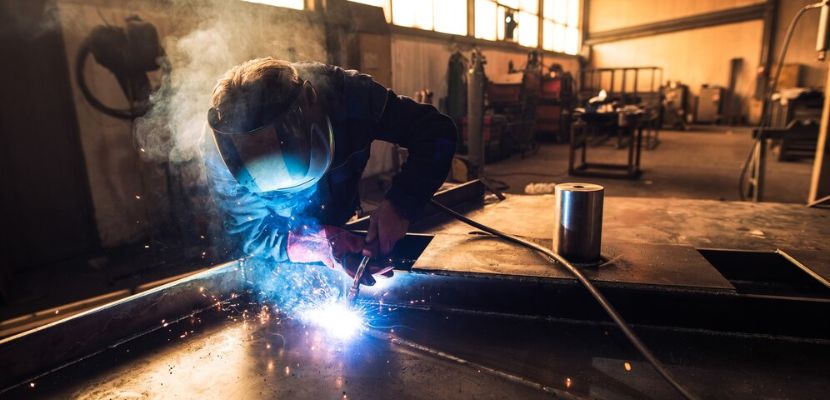
When it comes to building strong, durable, and reliable metal structures, skilled boilermakers play an essential role. Whether it’s constructing large industrial frameworks or performing precision repairs on critical equipment, their expertise ensures that every project meets the highest standards. In this blog, we’ll explore the vital role boilermakers play in Metal Fabrication Services, why their skills are indispensable, and how their work supports diverse industries.
What Does a Boilermaker Do?
Boilermakers are highly trained tradespeople who specialise in assembling, installing, maintaining, and repairing metal structures. Their work often involves heavy-duty fabrication and precision welding across industrial environments.
- Welding and repair of heavy metal structures
- Construction of industrial frameworks
- Fabrication for mining and manufacturing
- Structural steel erection
- Shutdown maintenance and plant repairs
The Critical Role of Boilermakers in Metal Fabrication Services
1. Ensuring Structural Integrity
Boilermakers ensure that every metal structure is strong, stable, and capable of handling real-world loads and stress conditions. Whether it’s heavy machinery, industrial frameworks, or support structures, even a small weakness can lead to major failures. That’s why their role is critical from both a safety and performance standpoint. For onsite reinforcement, breakdown repairs, or urgent fixes, services like Mobile Welding are often used to carry out work directly at the site without delays.
2. Expertise Across Diverse Materials
Boilermakers don’t just work with one type of metal—they handle a wide range of materials including mild steel, stainless steel, aluminium, and specialised alloys. Each material behaves differently under heat and pressure, which means the welding approach must be adjusted accordingly. Their understanding of material properties helps in choosing the right technique, filler material, and heat control to ensure long-lasting and defect-free results.
3. Precision and Accuracy
Precision is at the core of metal fabrication. Boilermakers read and interpret detailed technical drawings, measurements, and specifications to ensure every cut, weld, and joint is exact. Even a minor error can lead to alignment issues or structural weaknesses. For tasks that demand clean finishes and high accuracy, processes like TIG Welding are often preferred, especially in projects where aesthetics and strength both matter.
4. Adherence to Safety Standards
Working with heavy metals and high-temperature equipment comes with risks, which is why safety is non-negotiable. Boilermakers strictly follow Australian standards and workplace safety regulations to ensure every project is completed without hazards. This includes proper use of protective gear, safe handling of materials, and adherence to certified welding procedures. Their commitment to safety not only protects workers but also ensures the finished structure performs reliably over time.
How Boilermakers Contribute to Welding and Repair
Welding Excellence
Boilermakers are skilled in multiple welding techniques:
- Stick welding (SMAW)
- MIG welding
- TIG welding
- Oxy-acetylene cutting
- Air-arc gouging
For heavy-duty and structural jobs, methods like Stick Welding are widely used due to their versatility and strength.
Repair and Maintenance
Boilermakers handle on-site repairs, fault diagnosis, and preventive maintenance. In many cases, advanced surface preparation using Air Arc Gouging ensures better weld penetration and repair quality.
Industries That Rely on Skilled Boilermakers
1. Mining and Resources
Mining operations depend heavily on large-scale equipment like crushers, conveyors, and excavators that operate under extreme conditions. Boilermakers play a key role in maintaining and repairing these components, ensuring they can withstand constant wear, heavy loads, and harsh environments without failure.
2. Construction
In construction, boilermakers are responsible for fabricating and assembling structural steel used in buildings, bridges, and infrastructure projects. Their work ensures that frameworks are strong, aligned, and capable of supporting long-term loads safely.
3. Manufacturing
Manufacturing facilities rely on specialised machinery and production systems. Boilermakers help fabricate custom components, repair worn-out parts, and maintain production equipment to ensure smooth and uninterrupted operations.
4. Agriculture
In the agricultural sector, machinery like ploughs, harvesters, and storage systems often require regular repairs and modifications. Boilermakers provide durable solutions that keep equipment functional and reduce downtime during critical farming periods.
5. Transport and Logistics
Transport systems, including trailers, containers, and heavy-duty vehicles, require strong and reliable metal components. Boilermakers handle fabrication and repair work to ensure these assets remain safe and operational across long distances and heavy usage. Across these industries, cutting and shaping processes like Oxy Cutting Services are commonly used alongside welding to achieve precise fabrication and strong structural results.
Key Qualities of a Skilled Boilermaker
Technical Knowledge: Strong understanding of welding and fabrication
Attention to Detail: Precision in execution
Problem-Solving Ability: Quick fault identification
Physical Fitness: Handling demanding tasks
Commitment to Safety: Strict adherence to protocols
The Growing Demand for Boilermakers in Australia
Australia’s expanding infrastructure and industrial sectors continue to drive demand for skilled boilermakers. Modern fabrication often relies on efficient processes like Mig Welding for faster production and consistent quality.
Conclusion
Boilermakers are essential to building and maintaining strong metal structures. Their expertise ensures durability, safety, and long-term performance across industries. For professional fabrication and repair solutions, B & R Australia Pty Ltd continues to deliver reliable welding and repair services tailored to project needs.