
Quick Answer
The five main types of welding joints are butt, lap, tee, corner and edge joints. Each joint connects metal pieces in a different position. Welders choose a joint based on metal thickness, load requirements and the finished structure. These joints are commonly used in metal fabrication, structural steel welding, machinery repairs and construction work.
Key Facts
- Five basic joints: Butt, lap, tee, corner and edge joints.
- Common welding methods: MIG welding, TIG welding and stick welding can be used with different joint designs.
- Industrial applications: Welding joints are used in steel structures, machinery, frames, pipes and metal fabrication.
- Joint selection: Metal thickness, joint access, loading conditions and weld requirements determine the suitable design.
What Are the Types of Welding Joints, and How Are They Used in Metal Fabrication?
Welding joints determine how two metal pieces fit together before welding begins. The joint arrangement affects weld access, penetration, strength and the amount of preparation required.
In metal fabrication, welders work with different materials, thicknesses and structural requirements. A joint suitable for thin aluminium sheets may not work for heavy steel beams.
The five basic welding joints have different applications, advantages and limitations. Understanding these differences helps fabricators choose the correct joint for each job.
1. What Is a Butt Welding Joint, and Where Is It Used?
A butt joint joins two metal pieces along their edges, usually in the same plane. Welders commonly use this joint for pipes, steel plates and flat metal sections.
Butt joints can provide a strong connection when welders achieve the required penetration and fusion.
Common butt joint preparations include:
- Square butt joint for suitable thin sections.
- Single-V groove for thicker metal.
- Double-V groove when welding access allows.
- U-groove preparation for selected heavy sections.
Pipe welding, steel plates, tanks and structural fabrication.
For thicker materials, welders may need to prepare the edges before welding to achieve the specified penetration.
2. What Is a Lap Welding Joint, and Why Is It Common?
A lap joint forms when one metal piece overlaps another. Welders usually place fillet welds along one or both overlapping edges.
Lap joints work well for sheet metal fabrication, brackets and repair jobs. They also allow workers to connect materials of different thicknesses.
However, poorly designed overlaps can trap moisture and encourage corrosion.
Sheet metal assemblies, vehicle repairs, brackets and metal reinforcement.
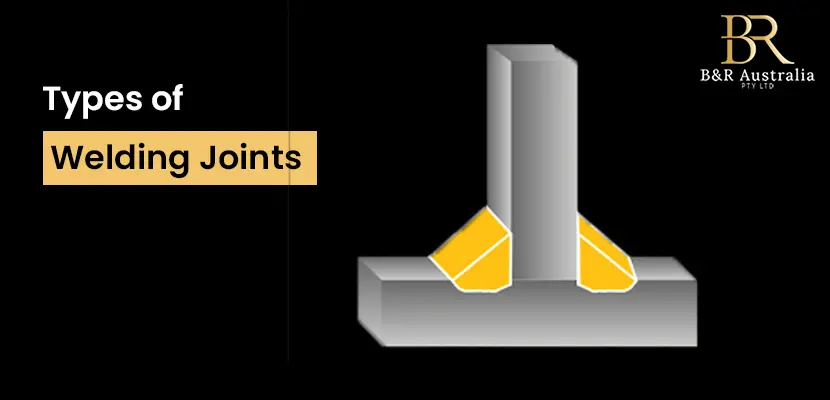
3. What Is a Tee Welding Joint, and How Does It Work?
A tee joint forms when one metal piece meets the surface of another, commonly at a 90-degree angle. The arrangement resembles the letter T.
Welders frequently use tee joints in structural steel welding, machinery supports and industrial frames.
Fillet welds are common, although some designs require groove welds.
Steel beams, support brackets, stiffeners and machinery frames.
Proper weld size and penetration matter because these connections may carry considerable loads. The welding procedure must match the design requirements.
4. What Is a Corner Welding Joint, and Where Is It Used?
A corner joint connects two metal pieces along their edges to form an angle, commonly 90 degrees.
Fabricators use corner joints when manufacturing boxes, rectangular frames, cabinets and metal enclosures.
Depending on the design, welders can work along the inside or outside corner.
Metal boxes, frames, cabinets and aluminium fabrication.
Accurate positioning matters because excessive welding heat can distort thin metal and affect the finished shape.
5. What Is an Edge Welding Joint, and When Should You Use It?
An edge joint connects adjacent edges of two metal pieces placed close together, often with their surfaces parallel.
This joint appears in sheet metal work, folded metal sections and lightweight fabricated components.
Edge joints generally suit applications with limited structural loading unless the design provides additional reinforcement.
Sheet metal covers, lightweight enclosures and folded metal assemblies.
Welders must control heat carefully when joining thin sections to prevent burn-through and distortion.
Which Welding Methods Work Best for Different Joint Types?
The welding method depends on material, thickness, welding position and production requirements.
- MIG welding: Common in steel and aluminium fabrication. It offers good productivity for many butt, lap and tee joints.
- TIG welding: Suitable for precise work, thin materials and applications requiring careful heat control.
- Stick welding: Frequently used for structural steel, site repairs and outdoor welding where equipment portability matters.
No single method suits every joint. Welders should follow the approved welding procedure and project specifications.
How Do You Choose the Right Welding Joint?
Start by checking the metal thickness, loading conditions and access to the joint.
Consider these factors:
- Required weld strength and penetration.
- Material type and thickness.
- Welding position and accessibility.
- Joint preparation and fabrication cost.
For load-bearing structures, qualified personnel should confirm the design, welding procedure and inspection requirements before fabrication.
Why Does Proper Welding Joint Selection Matter?
Poor joint selection can cause incomplete fusion, distortion, cracking or premature failure.
During fixed plant maintenance and industrial repairs, welders must also inspect existing damage before choosing a repair method.
A correctly prepared joint helps workers achieve consistent weld quality and reduces unnecessary rework.
How Can Professional Welding Services Help?
Choosing the correct welding joint improves fabrication quality, repair reliability and overall workmanship.
For structural steel projects, metal repairs and industrial fabrication, B & R Australia Pty Ltd provides a point of contact for discussing welding requirements and suitable fabrication solutions.
Frequently Asked Questions
1. What are the five types of welding joints?
The five basic types are butt, lap, tee, corner and edge joints.
2. Which welding joint is the strongest?
No joint is always strongest. Strength depends on design, loading, material and weld quality.
3. Which welding joint is commonly used in structural steel?
Tee and butt joints are commonly used in structural steel fabrication.
4. Can MIG welding be used for all five welding joints?
Yes. MIG welding can join all five configurations when the material and welding procedure are suitable.
5. What is the difference between butt and lap joints?
Butt joints connect adjoining edges, while lap joints connect overlapping metal pieces.