
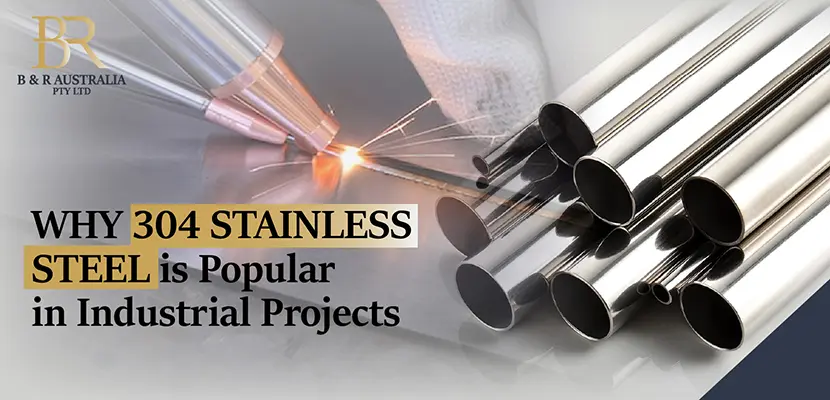
When it comes to industrial projects, choosing the right metal is very important. 304 stainless steel is one of the most commonly used materials because it is strong, durable, and does not rust easily. From machinery to pipes, storage tanks, and structural parts, it fits many applications.
What Is 304 Stainless Steel?
304 stainless steel is a type of steel that has chromium and nickel in it. These elements make it resistant to rust and corrosion. It is also called SUS 304 or stainless steel 304 grade. This steel is suitable for areas where water, moisture, or chemicals are present.
Key features of 304 stainless steel:
- Strong and long-lasting
- Easy to bend, cut, and weld
- Smooth surface that is easy to clean
- Can handle moisture and chemicals without rusting
Knowing what is 304 stainless steel helps engineers and project managers pick the right material for tanks, pipes, and machinery.
Why 304 Stainless Steel Works Well in Industry
1. Does Not Rust Easily
304 grade stainless steel is popular because it resists rust. It stays strong even in wet or humid conditions.
2. Strong and Durable
Even though it is not very heavy, stainless steel 304 can hold a lot of weight and pressure. This makes it reliable for structures, machines, and industrial frameworks.
3. Easy to Work With
This steel is simple to cut, bend, or weld. That makes it easier for factories to make parts and machines without spending extra time or money.
4. Keeps Things Clean
Industries like food processing, beverages, and water treatment use stainless steel 304 because it is easy to clean and does not let germs build up.
5. Looks Good Too
Even in factories or warehouses, a polished surface can look professional. Stainless steel 304 grade has a smooth, shiny surface that looks neat and durable.
Common Uses of 304 Stainless Steel
B & R Australia sees 304 stainless steel used in many ways:
- Pipes and Tubes: For water, chemicals, and liquids
- Storage Tanks: Holds liquids without rust
- Machine Parts: Frames, supports, and fasteners last longer
- Structural Supports and Railings: Strong and polished
- Food and Beverage Equipment: Safe for products that people consume
These applications show why 304 stainless steel is trusted in many industrial areas.
How It Compares to Other Stainless Steel Grades
Not all stainless steel is the same. 304 stainless steel is cheaper than 316 and works for most industrial jobs. Grade 316 is better for very harsh environments like salty or chemical-heavy areas. Choosing stainless steel 304 helps save money while still providing strength and reliability.
Advantages Over Other Metals
Compared to regular steel or aluminum, 304 stainless steel:
- Does not rust easily
- Lasts longer with little maintenance
- Can handle heat
- Does not need extra coatings
Because of these advantages, SUS 304 is a safe and practical choice for industrial projects.
Tips to Make It Last Longer
Even strong steel needs care. To keep stainless steel 304 grade in good shape:
- Clean it regularly: Wipe off dirt, dust, and chemicals
- Avoid salt and chlorine: These can create small pits, rinse if exposed
- Check welds: Look for cracks or weak spots in heavy-load areas
With simple care, 304 stainless steel can last for decades.
Frequently Asked Questions
1. What is 304 stainless steel used for?
It is used for pipes, storage tanks, machinery, structural parts, and food-processing equipment.
2. How is 304 different from other stainless steel grades?
Compared to 316, it is cheaper and works well for most industrial projects, though it is less resistant to harsh chemicals.
3. Can 304 stainless steel be used outside?
Yes, it resists rust outdoors. In salty or coastal areas, occasional cleaning is recommended.
4. Can 304 stainless steel be welded?
Yes. It is easy to cut, bend, and weld for custom industrial applications.
5. How long does 304 stainless steel last?
With proper care, SUS 304 can last 20–30 years or more.